The Frequency of Open TV Channel on All Satellites

Open TV is a Greek television channel known for its mix of news, entertainment programs, talk shows, and series. Since its launch, the channel has gained attention for its diverse content and modern broadcasting approach.
To expand its access beyond terrestrial viewing, Open TV is accessible on satellite platforms.
Satellite Transmission Basics
To receive Open TV via satellite, users must correctly enter the required technical parameters into their receivers. These include:
- Frequency (MHz)
- Polarization (Horizontal or Vertical)
- Symbol Rate
- Forward Error Correction (error correction)
Accurate setup is necessary for clear and steady reception.
Open TV on Hot Bird Satellite
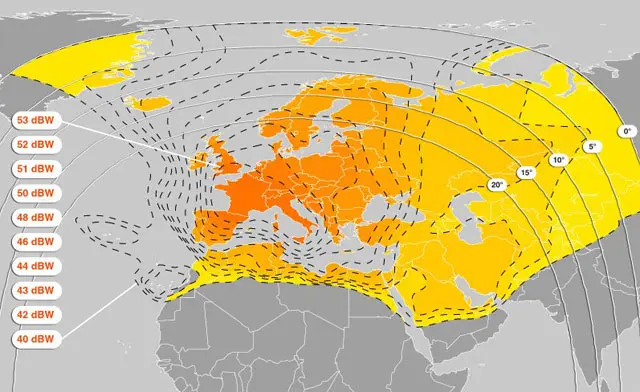
Hot Bird at 13° East is one of the most widely used satellites for broadcasting Greek channels, including Open TV. It provides powerful coverage across Europe, North Africa, and sections of the Middle East.
Typical transmission settings (may vary):
- Frequency: 12341 MHz
- Polarization: Horizontal
- Symbol Rate: 27500
This satellite is popular due to its broad coverage and reliable signal quality.
Availability on Other Satellites
Open TV may also be carried on other satellites, particularly those operated by Eutelsat or local providers. Availability depends on broadcasting agreements and geographic coverage. In some cases, the channel may appear on various frequencies or satellites temporarily.
Free-to-Air and Subscription Access
Open TV is often accessible as a free-to-air channel, allowing viewers to access it without a subscription. However, some satellite feeds may be part of subscription packages or intended for specific regions.
Reasons for Frequency Changes
Satellite frequencies can change over time due to:
- Technical upgrades
- Changes in satellite operators
- Optimization of bandwidth
- New broadcasting agreements
Regularly updating decoder settings helps maintain uninterrupted access.
Tips for Receiving Open TV
- Properly align the satellite antenna
- Enter accurate and updated frequency details
- Perform regular channel scans
- Follow verified sources for satellite updates